If this is your first trip to Banff, spend Day 1 around Banff town, Day 2 at Moraine Lake and Lake Louise, and Day 3 on the road west to Bow Lake and Peyto Lake, starting at Johnston Canyon once its trail reopens. This is the route we recommend for a first Banff visit. It includes the places most people come to see, but it does not ask you to drive to Jasper, change hotels or squeeze a major hike into every afternoon.
The sequence is deliberate. Day 1 stays within the Banff town area, Day 2 is built around the reservation-controlled lakes, and Day 3 follows one corridor west from Banff to Peyto Lake. This reduces backtracking, protects the hardest booking of the trip and keeps the weather-sensitive days flexible. It also accounts for 2026 access rules, operating dates and realistic travel times.
Banff is a year-round destination, but the strongest three-day route changes with the season. The detailed schedule below is the June 1–October 12 version because those are the 2026 operating dates for Moraine Lake transport. The same three-day framework can be used during late autumn, winter and spring, with specific seasonal replacements included later in the article.
2026 Banff planning facts
- Shuttle reservations: Opened April 15, 2026 at 8 a.m. MDT; 60% of seats release at 8 a.m. MDT two days before departure
- Parks Canada shuttle: $12.75 per adult, plus one $3.50 online reservation fee
- Lake Louise lakeshore parking: $42 per vehicle per day from May 15–October 12
- Park admission: Free June 19–September 7, 2026; otherwise $12.25 per adult per day
- Moraine Lake access: June 1–October 12; personal vehicles are not permitted year-round
- Roam Transit: Banff local fares are $2 per adult ride or $5 for a day pass
As of August 2026
What Should You Book Before a 3-Day Banff Trip?
Day 2 controls the rest of the trip. Since 2023, Moraine Lake Road has been closed to personal vehicles year-round because congestion and safety problems made unrestricted access unworkable. A Parks Canada shuttle reservation is required if that is how you plan to reach the lakes. For 2026, reservations opened on April 15 at 8 a.m. MDT. Parks Canada released 40% of the seats at launch and releases the remaining 60% at 8 a.m. MDT two days before departure. If reservation day is the part that worries you, our Parks Canada shuttle guide covers the booking screens and what to do when peak dates sell out.
The official Parks Canada lake transport page is the final source to check before booking. A shuttle ticket includes your first lake, the Lake Connector between Moraine Lake and Lake Louise, and the return to the Lake Louise Park and Ride. In 2026, the adult fare is $12.75, with a $3.50 online reservation fee charged once per booking. Reserve online or call Parks Canada at 1-877-737-3783.
Shuttle passengers park free at the Lake Louise Park and Ride. Driving directly to Lake Louise is less dependable: lakeshore parking costs $42 per vehicle per day from May 15–October 12, and vehicles are turned away when the limited spaces are full.
The regular shuttle season runs May 15–October 12 for Lake Louise and June 1–October 12 for Moraine Lake. Park and Ride departures run every 30 minutes from 6:30 a.m. to 5 p.m., except May 15–31, when Lake Louise service starts at 8 a.m. The last return to the Park and Ride is at 7:30 p.m. During Moraine’s season, the first-come, first-served Lake Connector runs from 7 a.m. to 6 p.m. Give the queues at least 30 minutes, or an hour when it’s busy, so a full bus leaves you time for the next one.
That shuttle guide walks through the booking process, while our Lake Louise to Moraine Lake guide focuses on how the two-lake day fits together. Recheck live times and prices on the official page before paying; this system changes from one season to the next.
If your dates fall between June 19 and September 7, 2026, national park admission is free under the Canada Strong Pass. Outside that period, the 2026 daily fee is $12.25 per adult, $10.75 per senior or $24.50 per family/group. The free admission period does not cover shuttles, parking or paid attractions.
What Should You Do on Day 1 in Banff?
Keep the first day close to town. All the main stops sit within a compact area, so a late start or weather delay does not derail the schedule. Banff Avenue introduces the town, Bow Falls and Lake Minnewanka move the day into the landscape, and the gondola provides the wide Bow Valley view that puts the route into context.
Morning — Breakfast and a Walk Through Town
Start on Banff Avenue before the middle of the day gets busy. Give yourself about an hour for coffee, a slow walk and any essentials you forgot to pack. Continue across the Bow River bridge to Cascade Gardens. The gardens are free, and the lawn in front of the Parks Administration Building gives you one of the cleanest views back along the avenue.

Banff town is touristy, but it belongs in a first-time itinerary. Starting early gives you a quieter walk and shorter coffee queues before day visitors fill the centre.
Banff Avenue is walkable, but it is not a pedestrian-only street in 2026. A resident vote in August 2024 ended the plan for an annual summer pedestrian zone, so vehicles now travel through the main downtown blocks.
Next — Bow Falls and Surprise Corner
Drive or take Roam Transit toward the Fairmont Banff Springs area. Bow Falls is broad and powerful rather than tall, and the short riverside stop is enough for most first visits. Surprise Corner is nearby and looks back toward the hotel above the Bow River. Allow roughly an hour for both, including the short drive between them.
The Fairmont Banff Springs is one of the defining buildings in the valley, but it does not need to become a half-day stop. You do not need a hotel booking or formal meal to enjoy the public areas and nearby viewpoints.
Midday — Lake Minnewanka and Two Jack Lake

Take the Minnewanka Loop for lunch. The lake is about a 15-minute drive from downtown, yet the open water and long line of peaks make it feel much farther away. Bring a picnic, sit near the day-use area, then stop at Two Jack Lake on the way back. In summer, the loop is an easy place to spend two hours. In winter, it becomes quieter and the light across the frozen water feels completely different.
Bighorn sheep are often seen around this road. Watch from inside the vehicle or from a generous distance, and do not stop in a way that blocks traffic. Wildlife is common around Banff, but it is never a scheduled attraction.
Afternoon — Banff Gondola in Clear Weather

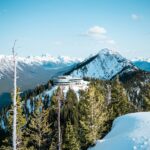
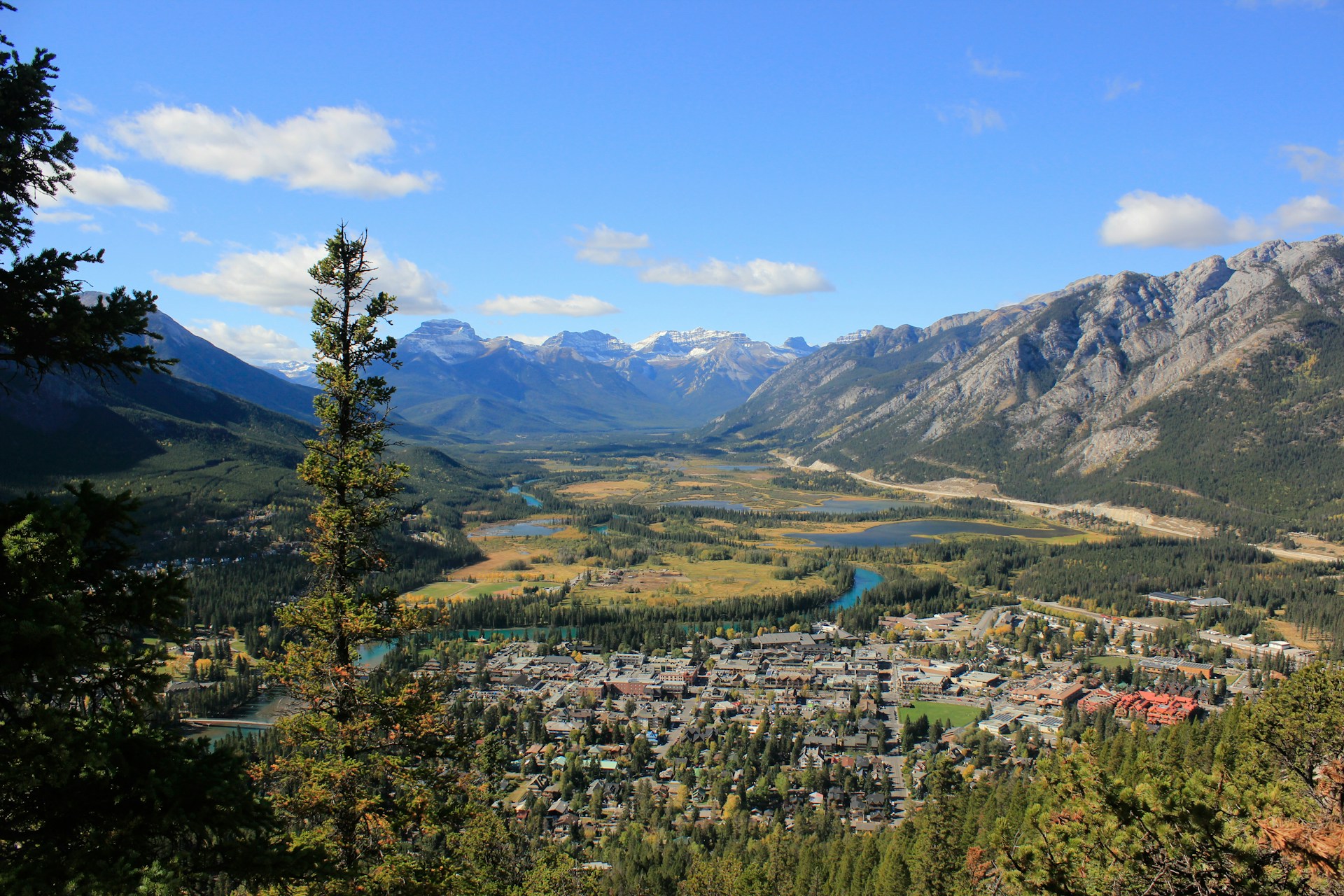
Book the Banff Gondola for the clearest part of your day. At the top of Sulphur Mountain, the boardwalk to Sanson’s Peak is about 1 km and gives a wide view across the Bow Valley. It earns its place on a first trip because it connects the geography you have just explored: the town, the river, Lake Minnewanka and the mountain roads are all visible from above.
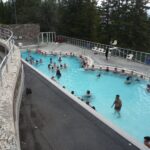
Gondola prices are dynamic, so check the live price before committing. If the summit is hidden in cloud, skip it. Use the afternoon for Cave and Basin National Historic Site or the Banff Upper Hot Springs instead. The hot springs cost $19.75 per adult in 2026. From May 15–October 12, parking at the Sulphur Mountain gondola and Upper Hot Springs lots costs $17.50 per vehicle per day under a 2026 pilot, so Roam Route 1 is often the easier choice.
Evening — Dinner in Town, Then Vermilion Lakes

Have dinner in Banff and drive to Vermilion Lakes when the light begins to soften. There are three lakes along the road, with several places to pull over. Some evenings Mount Rundle reflects sharply in the water. On others, wind or cloud removes the reflection completely. The stop is still worth making because it is quiet, close to town and easy to leave whenever everyone has had enough.
Do not force a sunset if the group is tired. This is the easiest stop to move to the end of Day 3.
How Should You Visit Moraine Lake and Lake Louise on Day 2?
This is the day most people remember, so give it the full day. Choose an early Parks Canada departure window if one is available, and select Moraine Lake as your first destination. Allow enough travel time to reach the Lake Louise Park and Ride, park and check in before your one-hour reservation window ends. Keep a downloaded copy of the reservation on your phone. Tempted by the pre-dawn version instead? Our Moraine Lake sunrise guide has the month-by-month times and an honest verdict on the early alarm.
Pack breakfast or snacks, drinking water and a warm layer for Moraine. The lodge’s seasonal Snowshoe Café is an option for coffee when it’s open. Public facilities are basic: pit toilets, with no public running water, cell service or public Wi-Fi. Save your tickets before leaving.
Morning at Moraine Lake
Start with the Rockpile. The climb is short and uneven in places, and the view over the Valley of the Ten Peaks is the familiar postcard angle. Then walk some of the shoreline instead of spending the whole visit near the busiest viewpoint. Two hours is comfortable for the Rockpile and an easy lakeside walk.
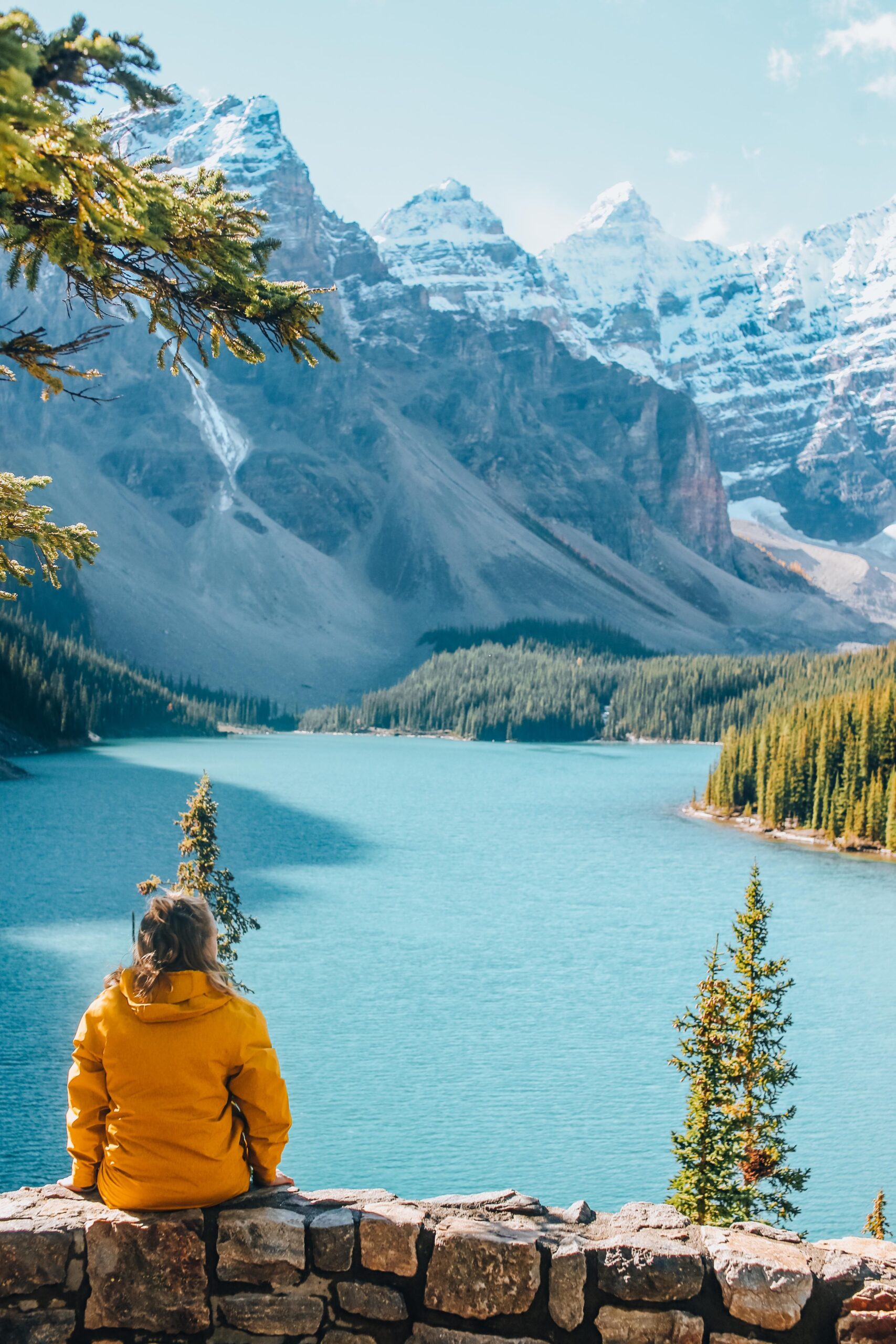
Moraine Lake can sit in shadow early in the morning. The water often brightens as sunlight reaches farther into the valley, so allow time for the conditions to change before deciding the view does not match the photographs. The exact colour varies with light, cloud and the amount of glacial sediment in the water.
When you are ready, join the Lake Connector line. It runs about every 30 minutes, but boarding is not reserved. A wait here is normal. The last Connector leaves Moraine Lake at 6 p.m.; on this itinerary you will be moving to Lake Louise much earlier.
Lunch and the Afternoon at Lake Louise
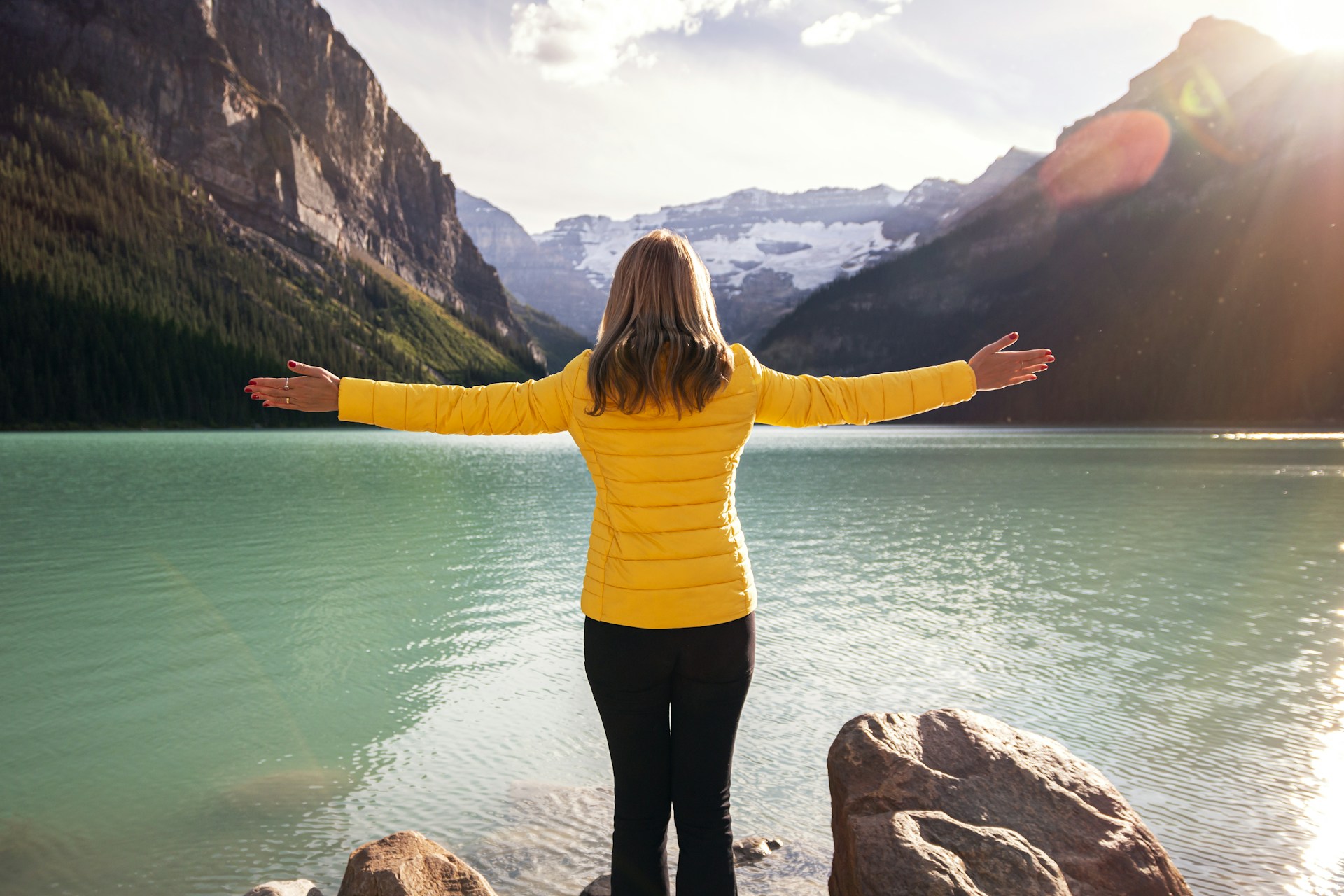
Lake Louise is larger, busier and more developed than Moraine Lake. Walk the flat lakeshore path first. The crowd thins as you move away from the Fairmont Chateau, and the view back toward the hotel is almost as good as the view toward Victoria Glacier.
For lunch, carrying food keeps the lake day flexible. If you want a proper break, the Fairmont Chateau Lake Louise currently welcomes summer day visitors for lunch at Louiza, Lakeview Lounge and Afternoon Tea. Louiza accepts walk-ins, while reservations are recommended for the Lakeview Lounge and Afternoon Tea. Treat the Fairmont as the day’s planned splurge; it is neither the quickest nor the least expensive way to eat at the lake.
After lunch, choose the easy lakeshore afternoon for this itinerary. Rent a canoe if the price suits your group, look around the hotel, or find a place away from the boathouse and stay awhile. First-time trips often become overpacked here because every nearby trail sounds essential.
For destination visitors, a Lake Louise canoe costs $160 plus GST for half an hour in 2026. Rentals are first-come, first-served. It is an expensive add-on, so decide before joining the queue whether paddling matters more to your group than a longer walk or an unhurried lunch.
If hiking is the reason you came, replace the relaxed afternoon with the Lake Agnes Tea House trail. It is roughly 7 km return and commonly takes 2.5–4 hours. Do not add it casually after a long lunch; start early enough to make your return shuttle without watching the clock all the way down.
Return directly from Lake Louise to the Park and Ride. The last regular return is at 7:30 p.m., but aim for an earlier bus and have dinner in Banff or Canmore. This protects the day against a long Connector queue or other shuttle delay.
What Should You See on Day 3 in Banff?
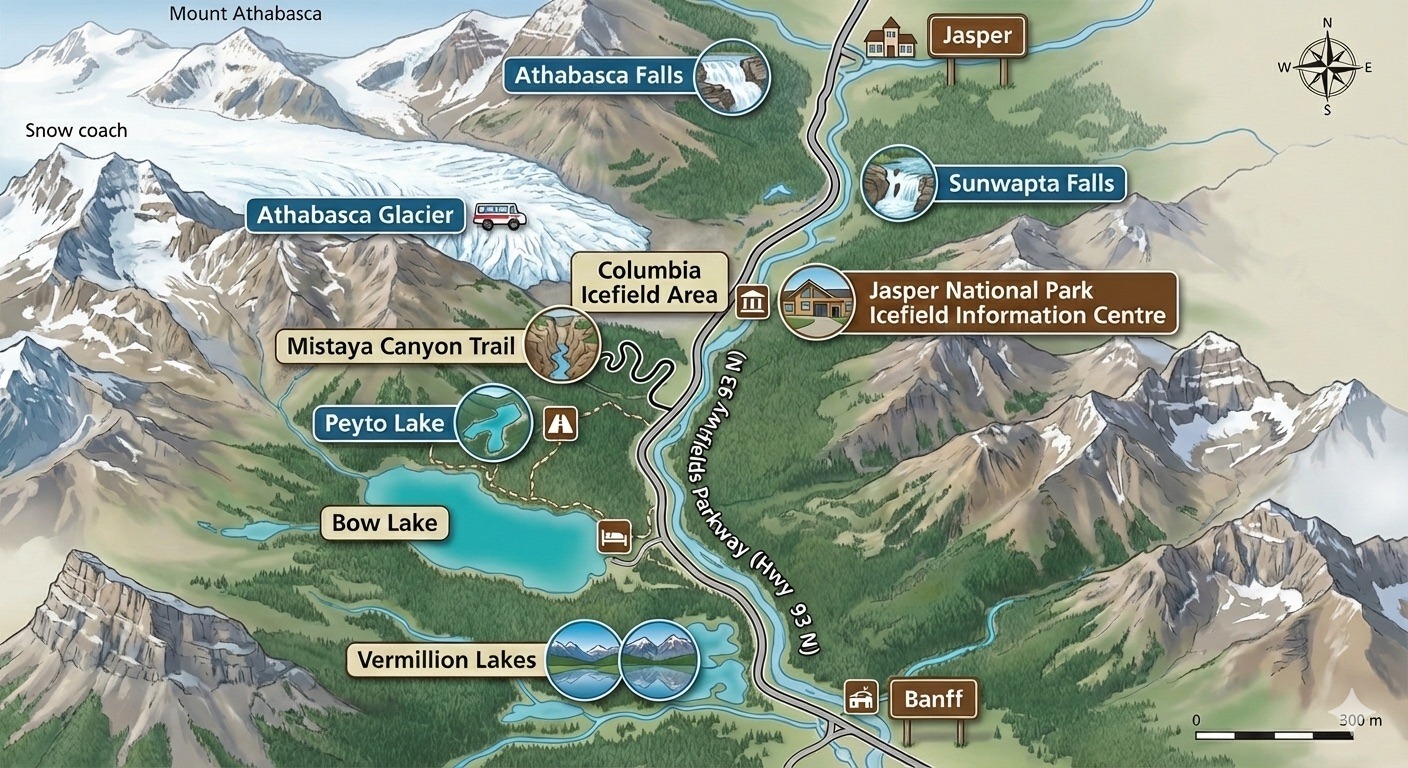
The third day heads west and north, but it stays within a reasonable distance of Banff. You will start with the short walk into Johnston Canyon when the trail is open, have lunch beside Bow Lake and finish at Peyto Lake. This is enough of the Icefields Parkway to understand why the road is famous. The Columbia Icefield and Jasper deserve more time than remains in a three-day itinerary.
⚠️ Johnston Canyon closure: Since October 13, 2026, the canyon trail to the Lower and Upper Falls, the main parking lot and the washrooms have been closed for rock-slope work, and Parks Canada hasn’t posted a reopening date. The Upper Falls and Ink Pots are still reachable on the longer Moose Meadows trail, so check Parks Canada’s winter trail page before you go. While the closure lasts, Stewart Canyon at Lake Minnewanka is an easy canyon walk to swap in.
Early Morning — Johnston Canyon’s Lower Falls, Once the Trail Reopens
Once the trail reopens, leave early for Johnston Canyon, especially in July and August. The Lower Falls walk is about 2.2 km return and takes around an hour at a relaxed pace. The metal catwalks follow the limestone wall above the creek, and the sound of the water builds as you move farther into the canyon.
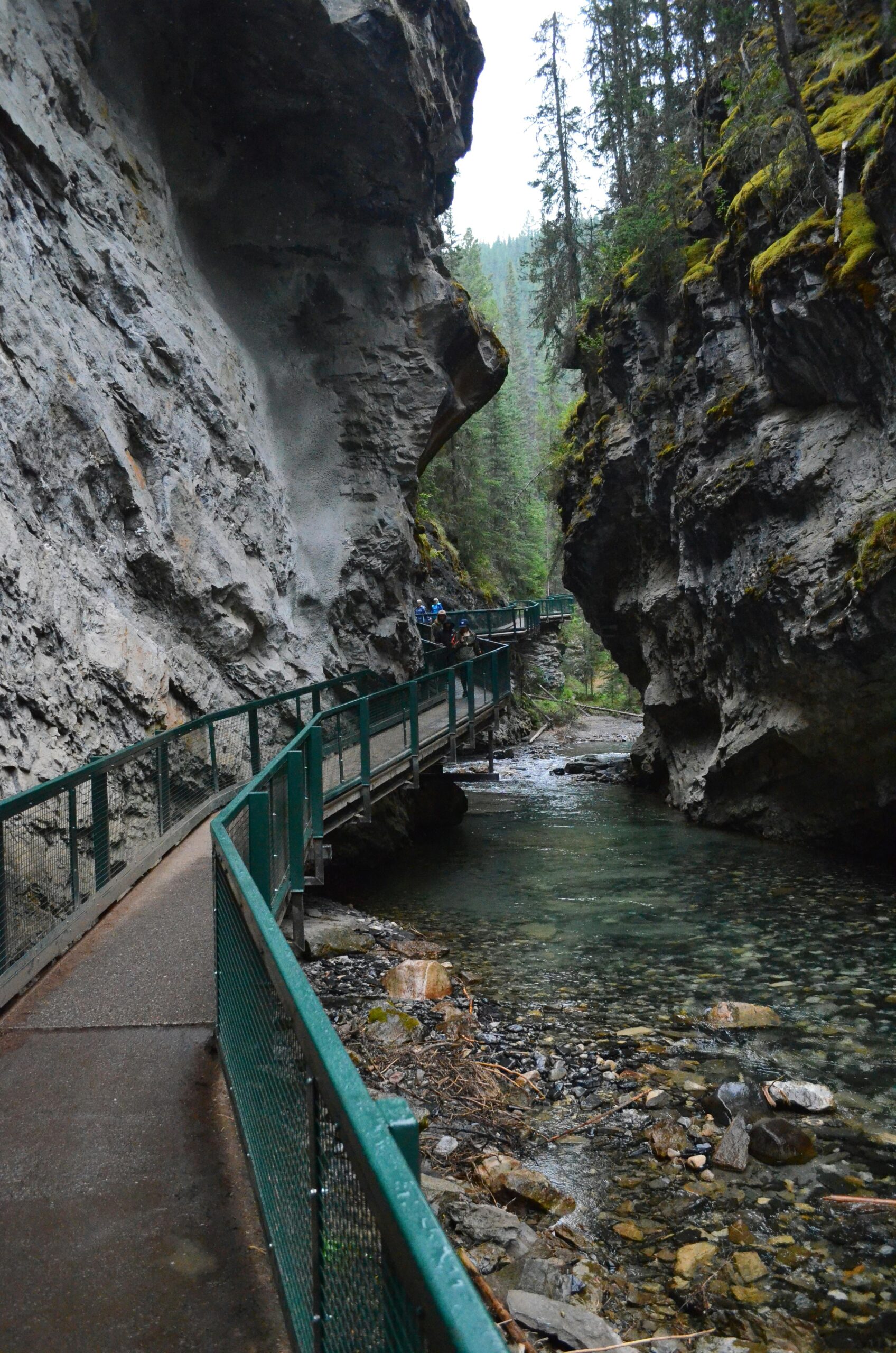
For this route, turn around after the Lower Falls. The Upper Falls are worthwhile, but adding them makes the rest of the day feel hurried. If Johnston Canyon is the main interest, continue to the Upper Falls and remove Peyto Lake. That is a real choice between two good places, rather than an attempt to collect both. While the canyon trail is closed, the longer Moose Meadows route still reaches the Upper Falls, or you can skip the canyon and give Bow Lake and Peyto Lake an unhurried morning.
Late Morning — Join the Icefields Parkway
Continue through Lake Louise and take Highway 93 North. Fill the fuel tank before leaving the Lake Louise area. Food and fuel become sparse on the Icefields Parkway, and mobile service is unreliable. Download the map and check the Alberta 511 road report before starting, even in summer.
The drive itself is part of Day 3. Give the passenger with the camera permission to ask for stops, within reason. It is easy for a 30-minute section of road to take twice that once the glaciers and roadside lakes come into view.

Midday — Picnic at Bow Lake
Bow Lake is the right lunch stop. It is close to the highway, there is room to walk along the shore, and you can see Bow Glacier across the water when the weather is clear. Pack lunch in Banff or Canmore that morning. With a group, carrying food makes the longer sightseeing days easier because nobody becomes hungry at quite the same time.
Early Afternoon — Peyto Lake Viewpoint
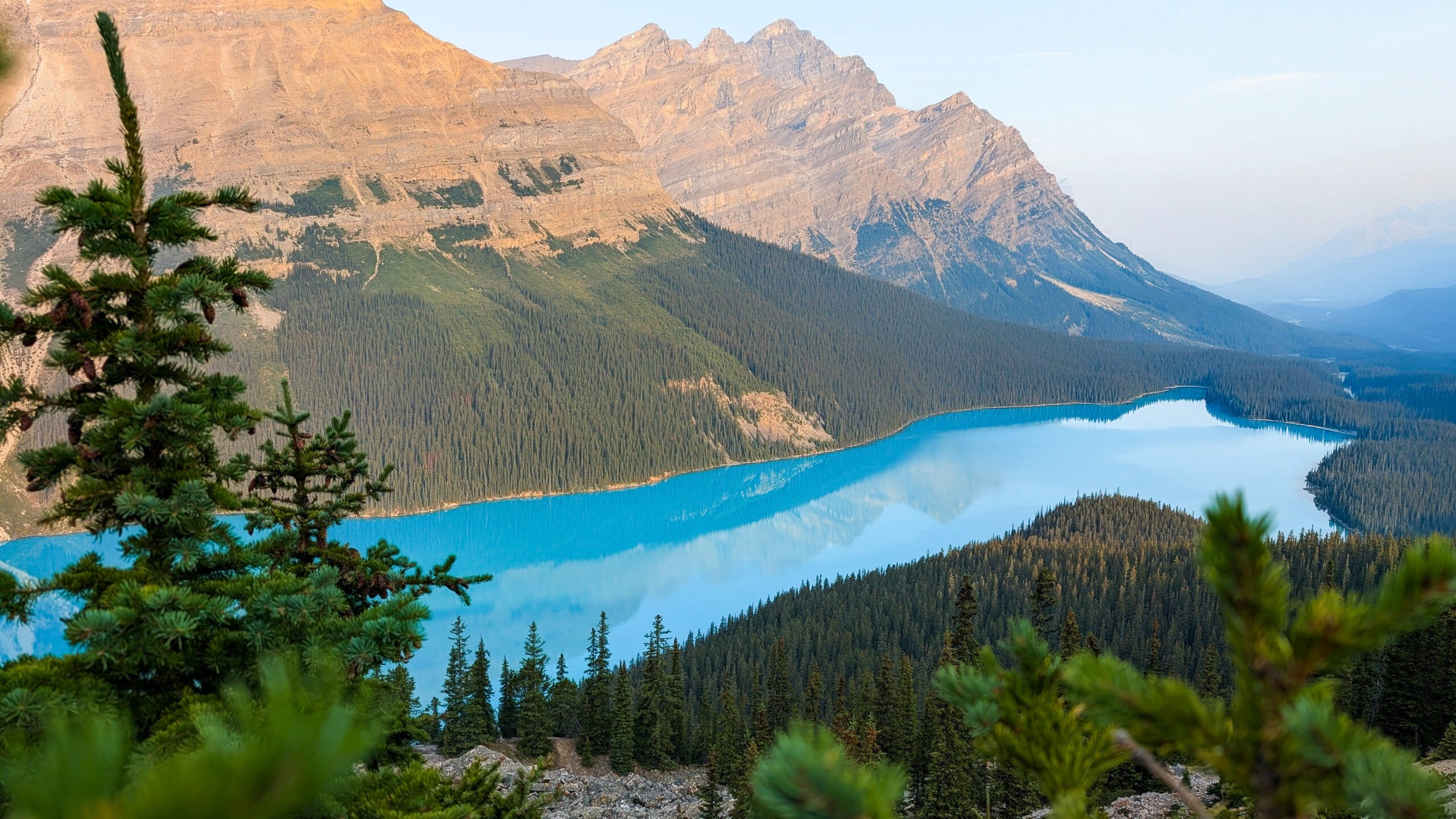
Continue to Bow Summit and walk to the Peyto Lake viewpoint. The lake’s curved shape and intense colour look almost too neat from above. This is also where the day begins to feel properly alpine: the air is cooler, the trees are shorter and the mountains extend far beyond the viewpoint.
Peyto Lake is the turnaround point. The full Icefields Parkway runs 232 km from Lake Louise to Jasper, and its major attractions sit much farther north. The Columbia Icefield Skywalk, for example, is suspended 918 feet above the Sunwapta Valley. These stops belong in a dedicated Parkway day, preferably as a one-way journey with a night in Jasper. Our Banff to Jasper via the Icefields Parkway guide covers that longer route.
If you extend the route to the Columbia Icefield, the combined Icefield Adventure and Skywalk ticket starts at about $126 per adult when booked at least two weeks ahead. That is a planning figure, not a fixed fare: attraction prices change with the date and demand, so check the current total before deciding whether the longer day fits your budget.
Return to Banff after Peyto Lake rather than adding another distant stop. Turning around here instead of continuing to the Columbia Icefield and back removes roughly 170 km of driving. If you skipped Vermilion Lakes on Day 1 and still have daylight, finish there. Otherwise, change out of hiking shoes and enjoy dinner without a final item on the schedule.
Where Should You Stay for a 3-Day Banff Itinerary?
Banff is the easiest base. Stay there if this is a first trip, the budget works and you want to walk to restaurants at night. It is also the best place to stay without a car because Roam services leave from town.
Canmore is the best-value base for many groups and families. It has a wider accommodation range, more self-catering options and an excellent restaurant scene. The drive to Banff is about 25 minutes in normal traffic. Choose Canmore when space and value matter more than walking to Banff Avenue.
Lake Louise is the strategic base for hiking-focused trips. Staying in the village or near the lakeshore reduces the early travel needed for Lake Louise trails and makes the Icefields Parkway easier to start. Accommodation and dining choices are limited and generally more expensive, so it is not the best overall base for this particular three-day route.
Harvie Heights and Dead Man’s Flats suit travellers with a car. These smaller communities east of Banff offer apartment-style and resort accommodation with quick access to Canmore. They can be good value, but they do not provide the walkability or transit convenience of Banff.
Use Calgary only for an arrival or departure night. The city has the widest accommodation range, but it is a poor sightseeing base for a three-day Banff itinerary. The drive to Banff is around 1.5 hours in good conditions, and repeating it in both directions removes too much time from a short trip.
For most first-time visitors, the final choice is straightforward: stay in Banff without a car, choose Canmore for group value, or use Lake Louise when hiking and early lake access dominate the trip. Keep the same base for all three nights. Changing accommodation adds packing and check-in time without improving this route. If the decision is still close, our guide to where to stay for Lake Louise and Moraine Lake works through the same trade-offs night by night.
Where Should You Eat During This 3-Day Banff Itinerary?
Here is the short answer. Book Block Kitchen + Bar if you have one dinner in Banff. Choose The Bison when you want a distinctly Alberta meal, LUPO for a lively group dinner, and Wild Flour before an early sightseeing day. If you are staying in Canmore, eat there at least once instead of driving back to Banff for every meal.
Our First Choice for One Dinner: Block Kitchen + Bar
Block is the place we would try to book first. The menu moves through Asian-influenced small plates, curries and seafood, so it works best when the table is willing to share. The room is small and tables sit close together. That is part of its energy, but it also means walking in with a group during peak summer can be difficult. Reserve it.
For a Rocky Mountain Dinner: The Bison
Choose The Bison when you want the meal to feel connected to Alberta rather than interchangeable with dinner in any resort town. The kitchen focuses on regional and seasonal ingredients, and the braised bison short rib is the obvious signature order. This is a premium dinner, best saved for the evening after Day 1 or Day 3 when nobody is waiting on a shuttle.
For a Lively Dinner With Friends: LUPO
LUPO is the easiest recommendation for a group that wants handmade pasta, pizza and a busy room. Sharing several dishes works better than treating it as a formal Italian dinner. Reserve a table if timing matters.
For a more eccentric Banff classic, choose Grizzly House. It has been serving fondue since 1967, and the appeal is the whole old-school experience: low light, tabletop cooking and the phones between tables. Go for the atmosphere as much as the food.
For Coffee, Breakfast and Food to Carry
Whitebark Café is the coffee stop for the earliest start. Wild Flour Bakery is the better all-round breakfast and takeaway choice, with bread, pastries, sandwiches, soups and vegetarian options. For Day 2 and Day 3, buy food before leaving your base. A packed lunch gives you control over where and when the group stops.
If You Are Staying in Canmore
Crazyweed is our Canmore pick for a relaxed but still memorable dinner. Its menu changes with the season and draws from several cuisines, so it suits a group better than a narrowly themed restaurant. Reserving ahead is sensible. For a quieter special-occasion dinner, choose Änkôr; for this three-day itinerary, Crazyweed is the more versatile recommendation.
At Lake Louise
Carry lunch unless eating at the Fairmont is one of the experiences you specifically want. At the Fairmont Chateau Lake Louise, choose the Lakeview Lounge for the view. Walliser Stube is a formal dinner choice with Alpine dishes and fondue, but it makes more sense when staying in Lake Louise. It does not fit neatly into a shuttle day returning to Banff.
Can You Follow This Itinerary Without a Car?
Days 1 and 2 work well without a car. Day 3 needs one change.
- Day 1: Roam’s Banff local routes serve the gondola, hot springs, Fairmont Banff Springs, Bow Falls and Lake Minnewanka. In 2026, a Banff local adult fare is $2 for one ride or $5 for a day pass. If you drive into town, leave the car at the free Train Station lot and allow about 10 minutes to walk to the main Roam stops on Banff Avenue.
- Day 2: Reserve the $30 Roam Super Pass from Banff. It includes a return reservation on Route 8X to Lake Louise, a one-day network pass and access to the Lake Connector for Moraine Lake. A $3 booking fee applies. Start the Super Pass journey in Banff and choose a morning arrival at Lake Louise. Check Roam’s current instructions for the outbound Connector cutoff. The last Connector back from Moraine leaves at 6 p.m.; aim earlier to leave room for your booked Banff bus.
- Day 3: Roam Route 9 reaches Johnston Canyon, though the canyon trail is closed for now, and scheduled transit does not continue to Bow Lake and Peyto Lake. Basic shared Icefields Parkway day tours generally cost about $150–250 per person, depending on the operator and what is included; tours that bundle paid glacier attractions can cost more. Otherwise, spend the rest of the day on Route 6 around Lake Minnewanka.
Check the current Roam fares and Super Pass rules before booking. In 2026, a regular adult Route 8X ticket costs $12.50 one way. It reaches Lake Louise, but it does not include Moraine Lake access and cannot be upgraded to a Super Pass.
How Do You Adapt This Banff Itinerary Year-Round?
The three-day structure works throughout the year, but Moraine Lake access, trail conditions, daylight and winter driving change what belongs in each day. Use the seasonal version below instead of forcing the summer schedule into the wrong month.
Summer and Early Autumn: June 1–October 12
Follow the itinerary as written. Reserve Moraine Lake and Lake Louise transport, keep the two lakes together on Day 2, and use Day 3 for Bow Lake and Peyto Lake, starting at Johnston Canyon if its trail has reopened. In July and August, begin early for cooler walking conditions and fewer people. In September and early October, carry warmer layers and expect frost or snow at higher elevations.
Late Autumn: After the Moraine Lake Season
Moraine Lake Road closes when the shuttle season ends, so give Lake Louise the full second day. Walk the lakeshore, use a lower-elevation trail if conditions allow, and return along the Bow Valley Parkway. Keep Day 3 closer to Banff with Lake Minnewanka, Cave and Basin or the gondola, and add Johnston Canyon only if its trail has reopened. Higher sections of the Icefields Parkway can already have winter conditions even when Banff town is dry.
Winter
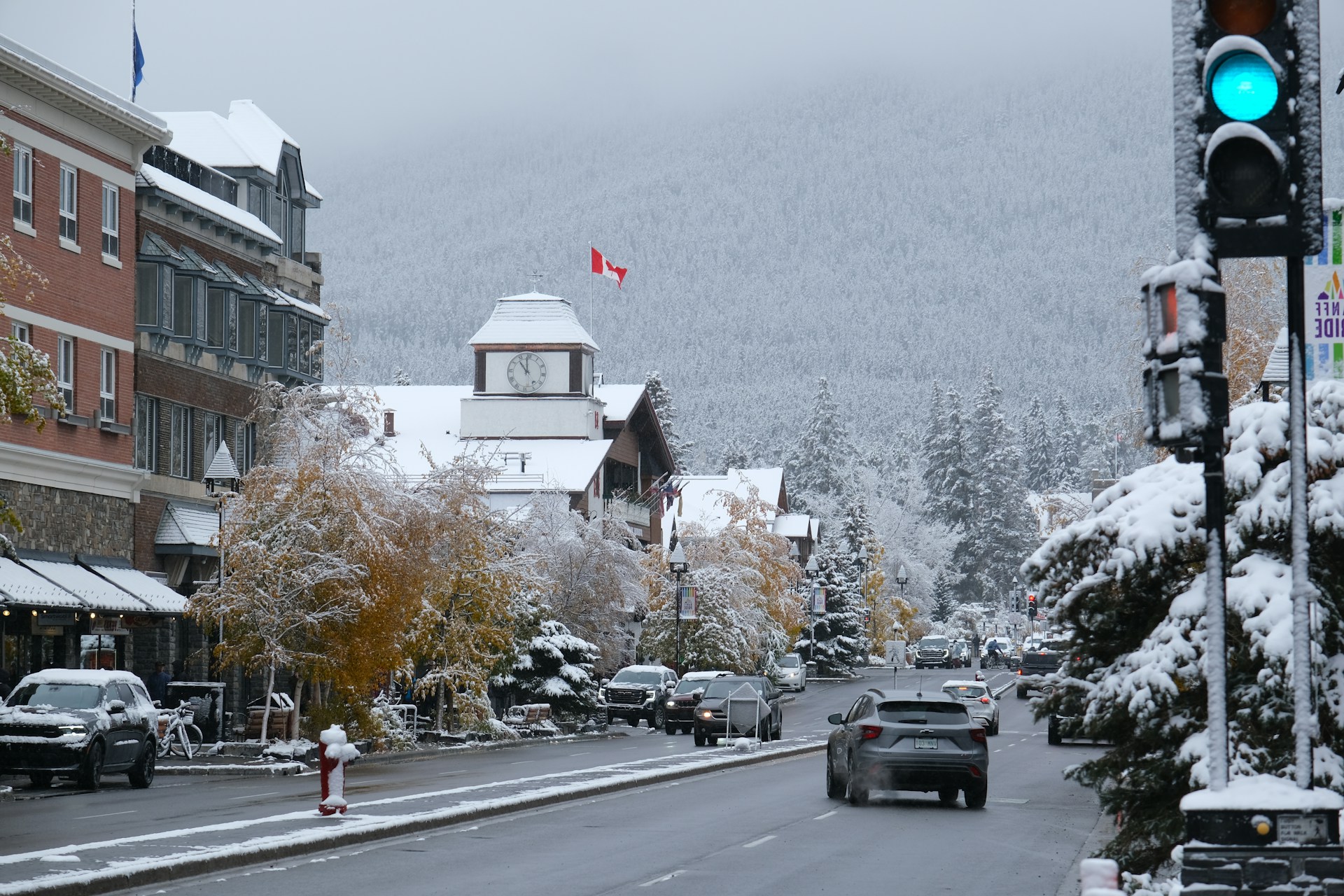
Use Day 1 for Banff town, Bow Falls, the gondola and Upper Hot Springs. Spend Day 2 at Lake Louise, choosing activities that match current ice, snow and avalanche conditions. Popular summer routes such as Lake Agnes and Plain of Six Glaciers cross avalanche terrain during winter and are not casual snow walks. Day 3 can pair Stewart Canyon at Lake Minnewanka with another stop near Banff while the main Johnston Canyon trail is closed. Ice cleats are commonly needed on canyon trails. Parks Canada does not monitor natural ice surfaces for safety, so never assume lake ice is safe because other people are standing on it. For more ways to fill a winter day, see our guide to Banff in winter.
The Icefields Parkway remains open in winter unless conditions force a closure, but it should not be treated as a routine sightseeing drive. Snow tires marked with a snowflake or M+S symbol, or tire chains, are mandatory from November 1 to March 31, and any other time the parkway is covered in snow or ice. Check Alberta 511, the forecast and Parks Canada’s Icefields Parkway guidance before leaving. Carry emergency supplies and only make the drive if the vehicle and driver are ready for winter mountain conditions. Our guide to how far to drive the Parkway in winter helps you pick a turnaround before you set off.
Spring
Spring in Banff is highly elevation-dependent. Banff town can be clear while Lake Louise remains frozen and higher trails remain snow-covered. Moraine Lake transport does not begin until June 1. Use Day 2 for Lake Louise and Day 3 for Cave and Basin, Lake Minnewanka or the gondola according to current conditions, adding Johnston Canyon if its trail has reopened. This is not the season to promise turquoise water or summer hiking simply because the calendar says May.
Frequently Asked Questions
Is three days really enough for Banff?
Three days is enough for a strong first visit. This route includes Banff town, Lake Minnewanka, Moraine Lake, Lake Louise, Bow Lake and Peyto Lake, plus Johnston Canyon once its trail reopens. It does not include a full drive to Jasper or a major hike, which is why the pace remains realistic.
Should a first-time visitor stay in Banff or Canmore?
Choose Banff for the easiest trip and Canmore for more accommodation choice, space and often better value. Lake Louise suits hiking-focused visitors who are comfortable with fewer restaurants and higher prices. Calgary is best kept for an airport night rather than used as the daily base.
Can you drive to Moraine Lake in 2026?
For a day visit, use a Parks Canada shuttle, the Roam Reservable Super Pass from Banff, or a licensed commercial operator. Cycling is another option for experienced riders. Overnight Moraine Lake Lodge guests have separate driving arrangements; ordinary day visitors leave their cars elsewhere.
Which should you visit first, Moraine Lake or Lake Louise?
For this itinerary, choose Moraine Lake first. It has fewer services and is the place most affected by transport timing. Lake Louise is easier for a later lunch, a lakeshore walk and the final shuttle back to the Park and Ride.
What should you book in advance?
Book your lake transport first, then accommodation, the Banff Gondola and one dinner. The rest of this itinerary can stay flexible around weather and energy. Check trail reports, road conditions and wildfire information again shortly before the trip.
This is the three-day Banff route we recommend for a first visit: one day to understand the town and valley, one protected day for the two reservation-sensitive lakes, and one day that reaches into the Icefields Parkway. It covers the essential Banff experiences without relying on impossible transfer times or turning the trip into a drive-by checklist.


Leave a Reply