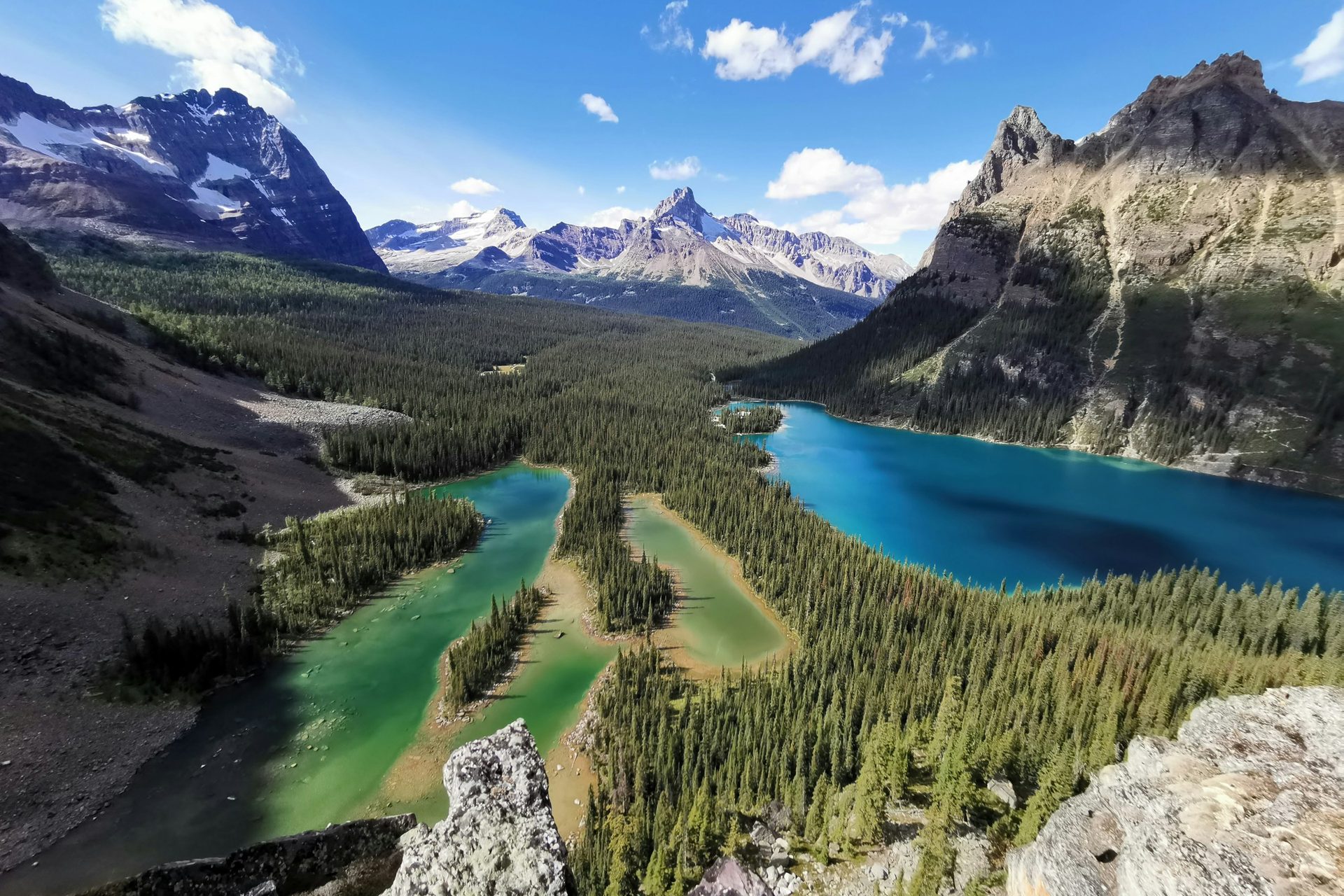
A day trip to Lake O’Hara takes more planning than most hikes in the Rockies. Bus seats are awarded through a competitive lottery (Parks Canada calls it a random draw) in early spring, and if you don’t get one, the alternative is an 11-kilometre walk up the access road. That takes around two to three hours each way, before you’ve even started exploring the lake.
Once you arrive, you have four very different day hikes to choose from. The right one depends on how you reached Lake O’Hara and how much energy you have left when you get there.
Quick facts
- Season: June 19–October 4, 2026. Dates vary annually. Confirm with Parks Canada.
- Random draw window: 2026 opened March 2 at 8 am MDT and closed March 23 at 11:59 pm MDT. Dates vary yearly.
- Draw fee: $10 non-refundable per application
- Access road: 11 km one way, gravel, no cycles allowed. Recent reader reports suggest ~450–500 m elevation gain.
- Day hikes: Lake O’Hara Shoreline (2.8 km), Lake Oesa (3.2 km one way), Opabin Plateau (5.9 km), Lake McArthur (8 km)
- Best time to hike: July–late September (early routes snow-bound until late June)
As of October 2026
The Random Draw Explained
Lake O’Hara’s day-use shuttle is booked through a random draw because there are far more applicants than bus seats. Enter during the spring window. If you’re selected, claim the reservation promptly.
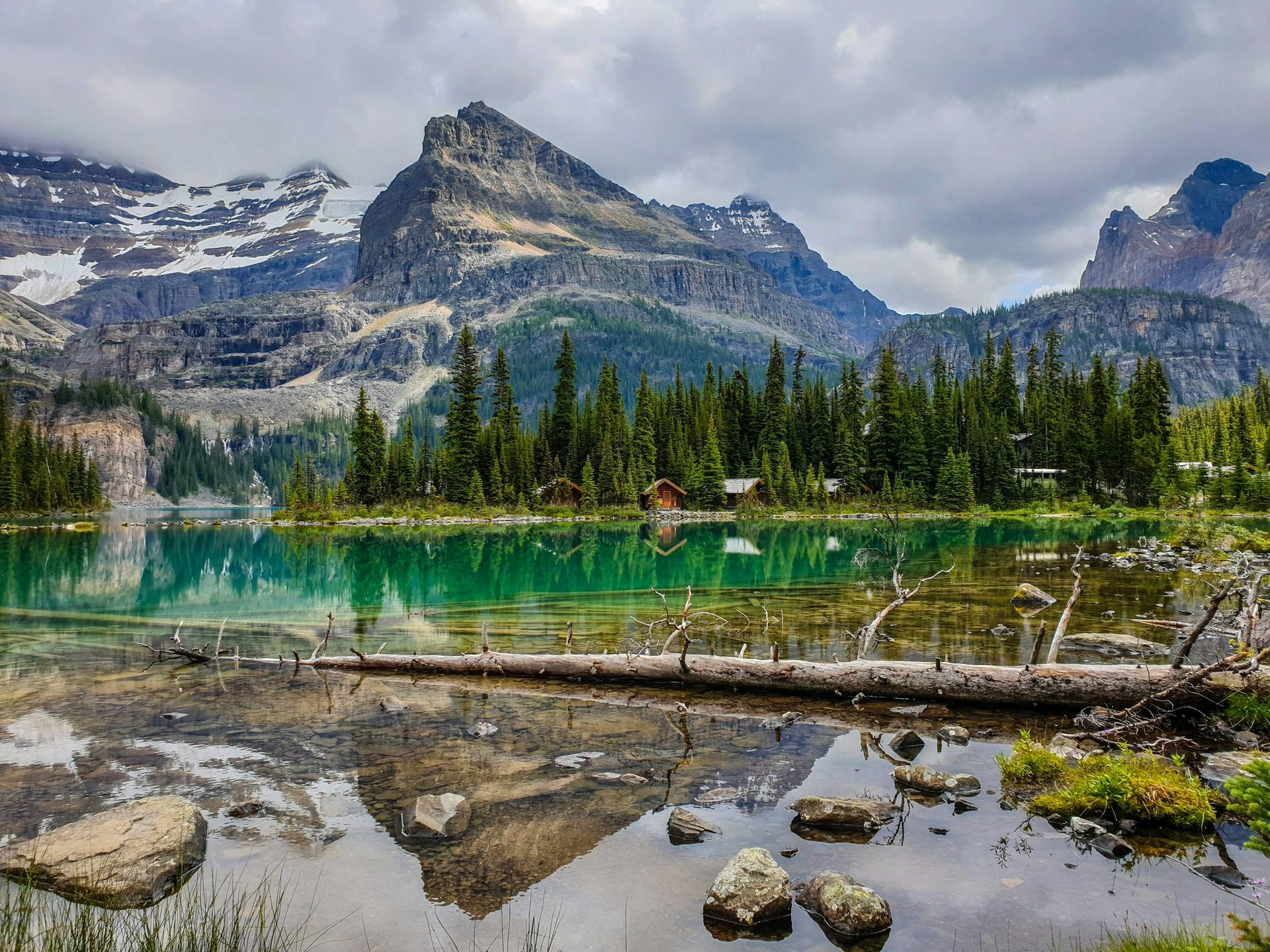
The lottery opens in early spring, but the dates change every year. For 2026, applications were accepted from 8 a.m. on March 2 until 11:59 p.m. MDT on March 23. Start checking the Parks Canada website after New Year so you don’t miss the next window.
It costs $10 to apply, and that fee isn’t refundable. You’ll choose your group size and rank up to six preferred inbound bus times. Smaller groups are generally easier to fit onto a bus, so only request the number of seats you know you’ll use.
Parks Canada starts selecting applications after the window closes. If yours is chosen, you’ll receive an email and have 14 days to pay the reservation fee and bus fares. Miss that deadline and the seats are released again.
Any spaces left after the lottery become available on a first-come basis. Cancellations also return to the booking system in real time during the season, so keep checking even if you weren’t successful in the draw.
Inbound buses leave at 8:30 and 10:30 a.m. Return buses depart at 9:30 and 11:30 a.m., then 2:30, 4:30 and 6:30 p.m. A reservation can include up to six people, with children aged 1 to 16 included in that total.
Lake O’Hara has its own booking system, separate from the Lake Louise and Moraine Lake shuttle. The tickets and reservation rules are not interchangeable.
I wouldn’t build an entire Rockies itinerary around winning a seat. Parks Canada doesn’t publish the odds, and they change depending on how many people apply. Some travellers try for years before they’re finally selected. Enter the draw, but keep a backup day trip in your plans—one you’ll still be excited to do.
Walking to Lake O’Hara Without a Reservation
If you don’t get a bus seat, you can still reach Lake O’Hara by walking the access road. Just don’t treat it as an easy backup. It turns the visit into a long, demanding day, and you should plan to walk the full distance in both directions.
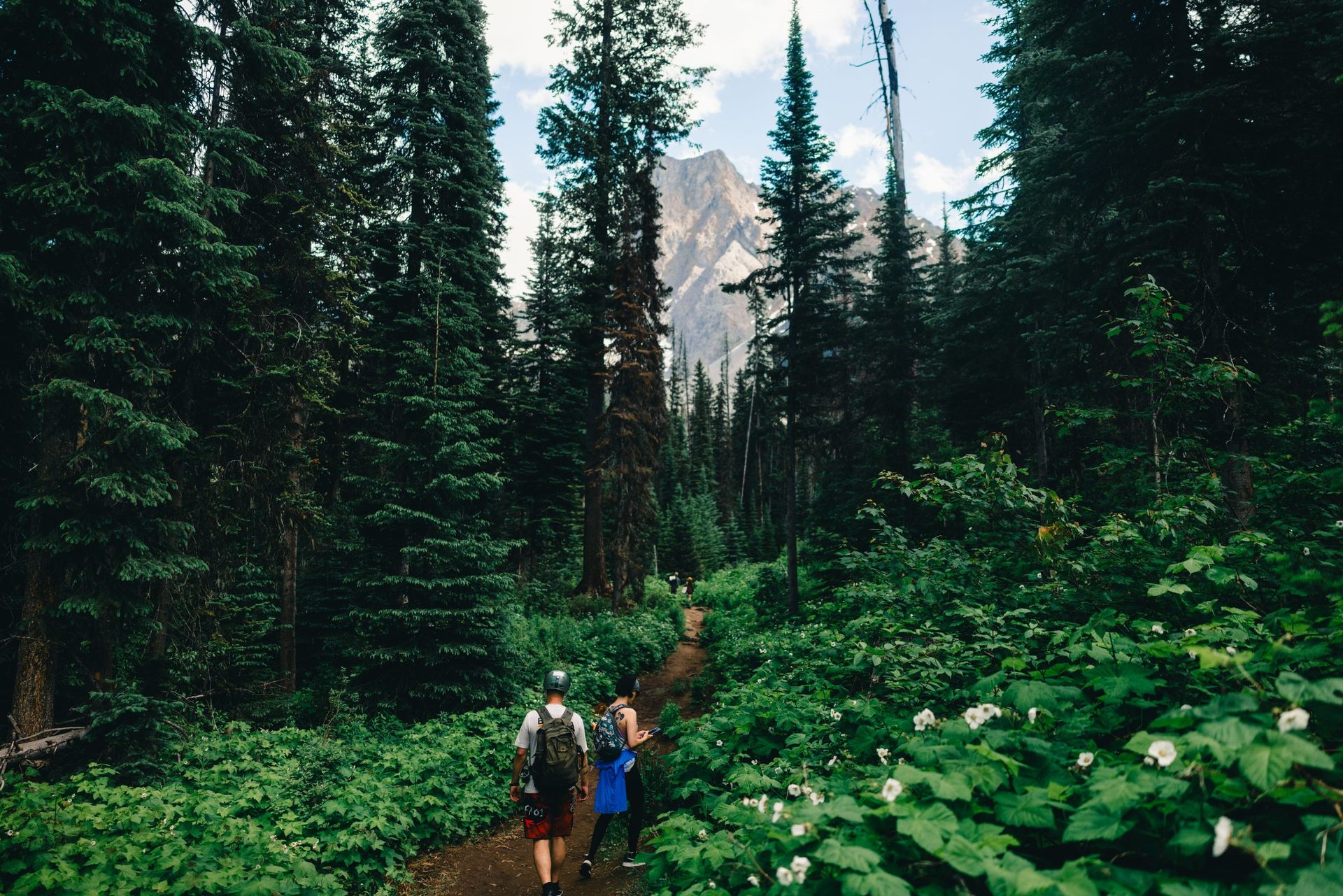
The access road is 11 kilometres each way and gains roughly 450 to 500 metres. Most people take two to three hours to reach the lake, depending on fitness, pace and pack weight. Much of the climb passes through forest with few open views, so the road can feel longer than the distance suggests. Parks Canada recommends carrying food, water, bear spray, suitable layers and proper walking shoes.
Bikes and private vehicles aren’t allowed on the road; only the shuttle can drive it. Walkers have occasionally bought an empty seat on a departing bus for around $15 cash, but this isn’t something Parks Canada guarantees. Arrive prepared to walk both ways, with enough supplies and energy for the return.
The road alone adds four to six hours of walking to your day. It’s a way to reach Lake O’Hara without winning the lottery, but it leaves far less time—and probably far less enthusiasm—for hiking once you get there.
Which Day Hike to Pick
Choose based on the time and energy you have when you reach the lake. The Shoreline Trail is the obvious choice for tired legs, while Lake Oesa is the smallest climb into the alpine. Opabin Plateau and Lake McArthur both ask more of your day.
| Hike | Distance | Elevation gain | Best for |
|---|---|---|---|
| Lake O’Hara Shoreline | 2.8 km circuit | Minor | Families, tired legs and lake views without a major climb |
| Lake Oesa | 3.2 km one way; 6.4 km return | 240 m | Rocky alpine terrain and classic lake views |
| Opabin Plateau Circuit | 5.9 km circuit | 250 m | Meadows, a hanging valley and glacier views |
| Lake McArthur Circuit | 8 km circuit | 310 m | Alpine meadows, larch forest and a longer day out |
The Lake O’Hara Shoreline Trail is the easiest of the four. It circles the lake without any serious climbing and gives you plenty of time to stop by the water. This is the option I’d choose after walking the 11-kilometre access road, especially with the same distance still waiting on the way back.
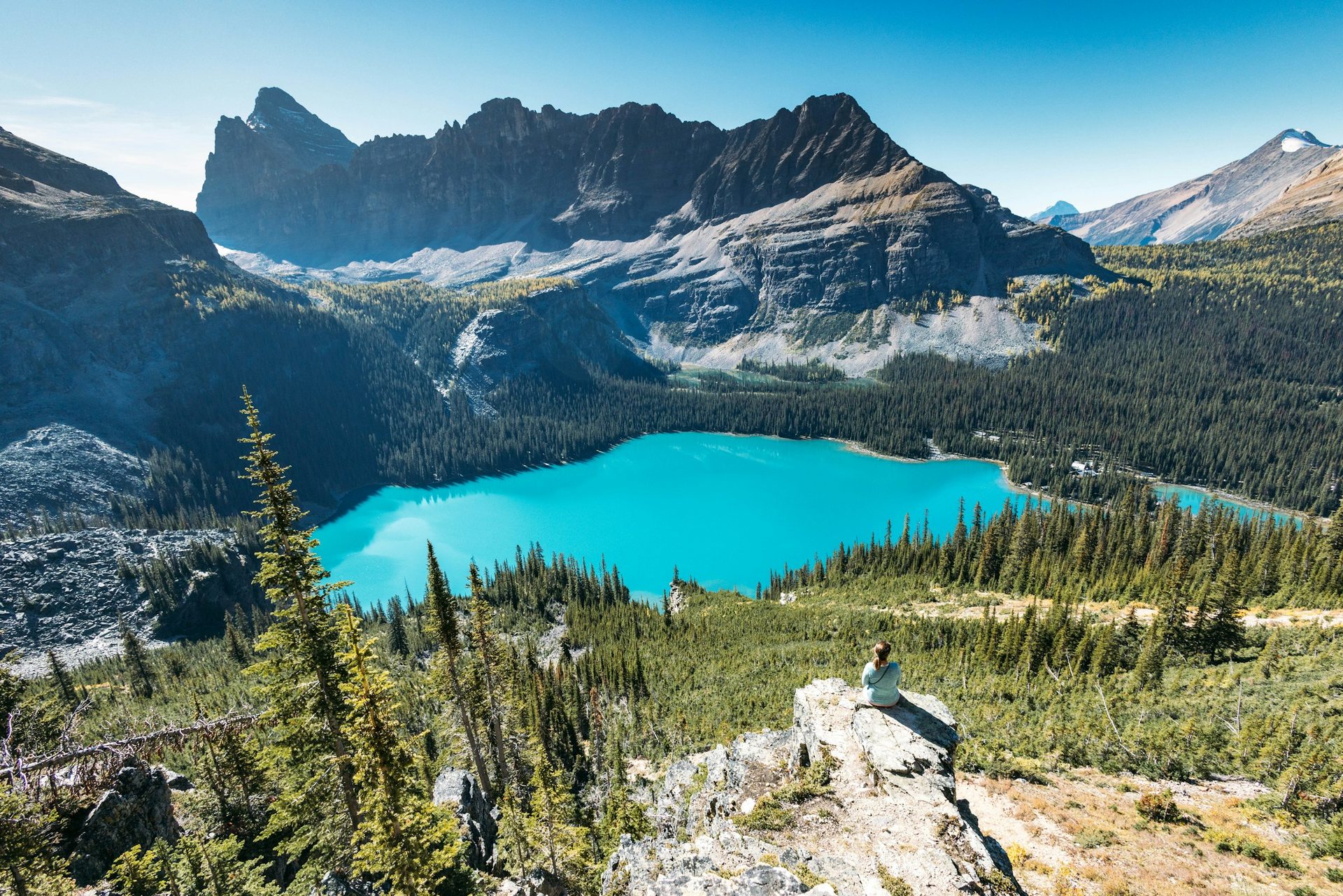
Lake Oesa has the least elevation gain of the alpine routes. The trail climbs 240 metres over 3.2 kilometres to a high-alpine lake, with the full walk usually reaching at least 6 to 7 kilometres depending on the route you take. Expect rocky ground and some scrambling, and wear shoes with good grip. If you arrived by bus, you should still have time to explore another part of Lake O’Hara afterward.
Choose the Opabin Plateau Circuit for open meadows and views across the hanging valley. The 5.9-kilometre route gains about 250 metres, with distant glaciers visible on a clear day. It takes up a good part of your time at the lake, so keep an eye on the clock if you have a return bus to catch. The trail can be less obvious through the alpine meadows; watch for markers and stay on the established route.
Lake McArthur is the biggest commitment of the four hikes. The 8-kilometre circuit gains around 310 metres, climbing steadily through larch forest and alpine meadows before reaching the lake. Choose this one when you’re happy to spend most of your Lake O’Hara visit on the trail—and you still have plenty of energy when you start.
If you walked the access road, think carefully before adding another long hike. You’ll still have 11 kilometres of gravel to cover on the way out, and that surface can be tough on tired knees and ankles. Keep more energy in reserve than you think you’ll need.
The main hiking season runs from July through late September. Snow patches and avalanche hazards can remain on the higher trails in June. If you’re visiting near the beginning or end of the bus season, check Parks Canada’s latest trail conditions before deciding which route to take.
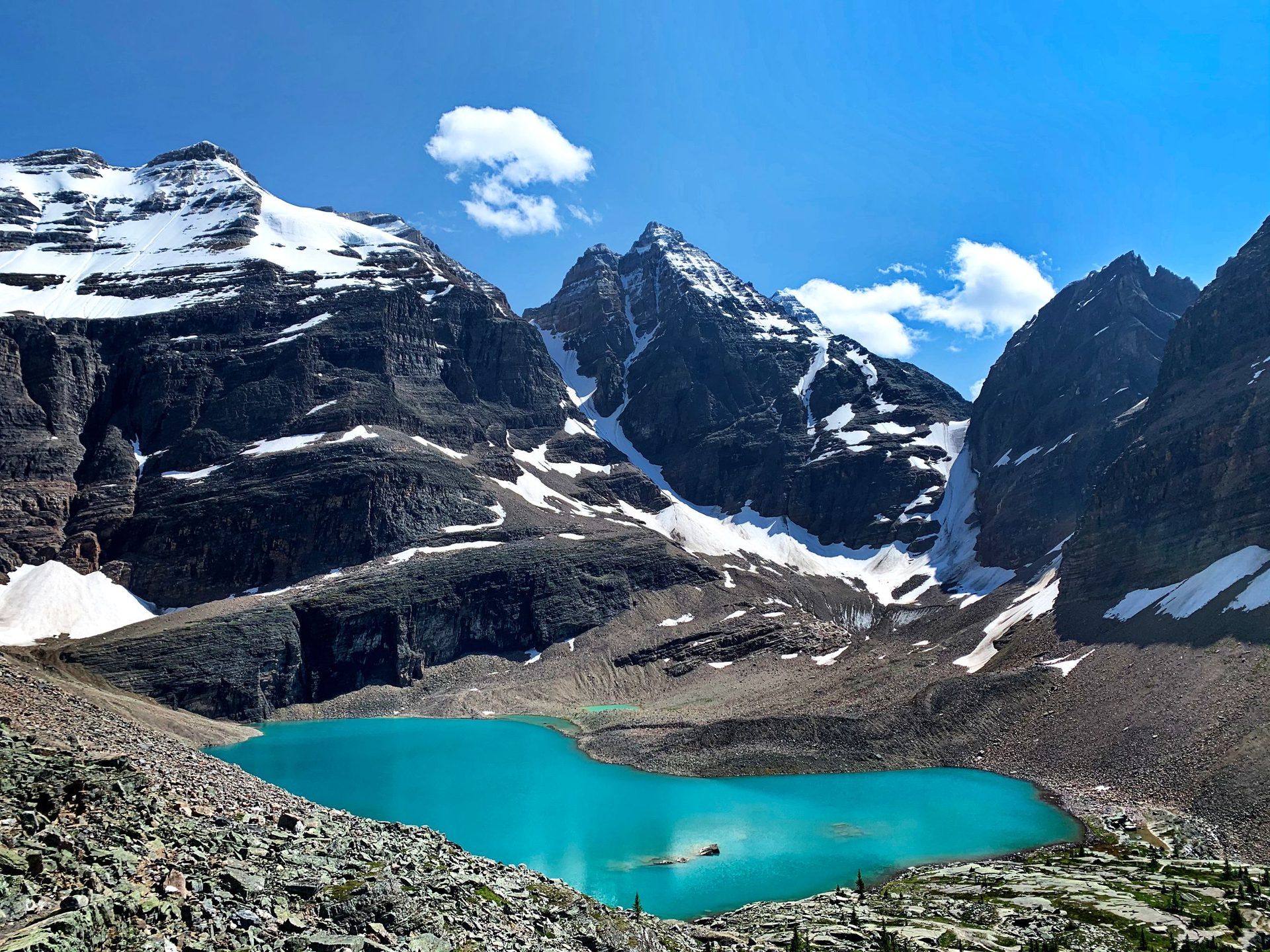
If You Don’t Win the Draw
Missing out on the Lake O’Hara lottery doesn’t have to spoil the day. If your group isn’t up for walking the 11-kilometre access road, Yoho has several excellent hikes that don’t require a lottery or shuttle reservation.
The Iceline Trail is the biggest alpine alternative. It starts near Takakkaw Falls and makes a full day of the area, so check the distance and current trail conditions with Parks Canada before setting out. For something much easier, walk from the parking area to the base of Takakkaw Falls. It’s a short trail with a dramatic finish beside the roaring waterfall.
Twin Falls and Wapta Falls are two more options that don’t require reservations. Wapta Falls follows a quieter forest trail to a wide, powerful waterfall, although its small parking area can fill quickly. Parks Canada’s Yoho day-hiking page has current distances and trail reports for all of these routes.
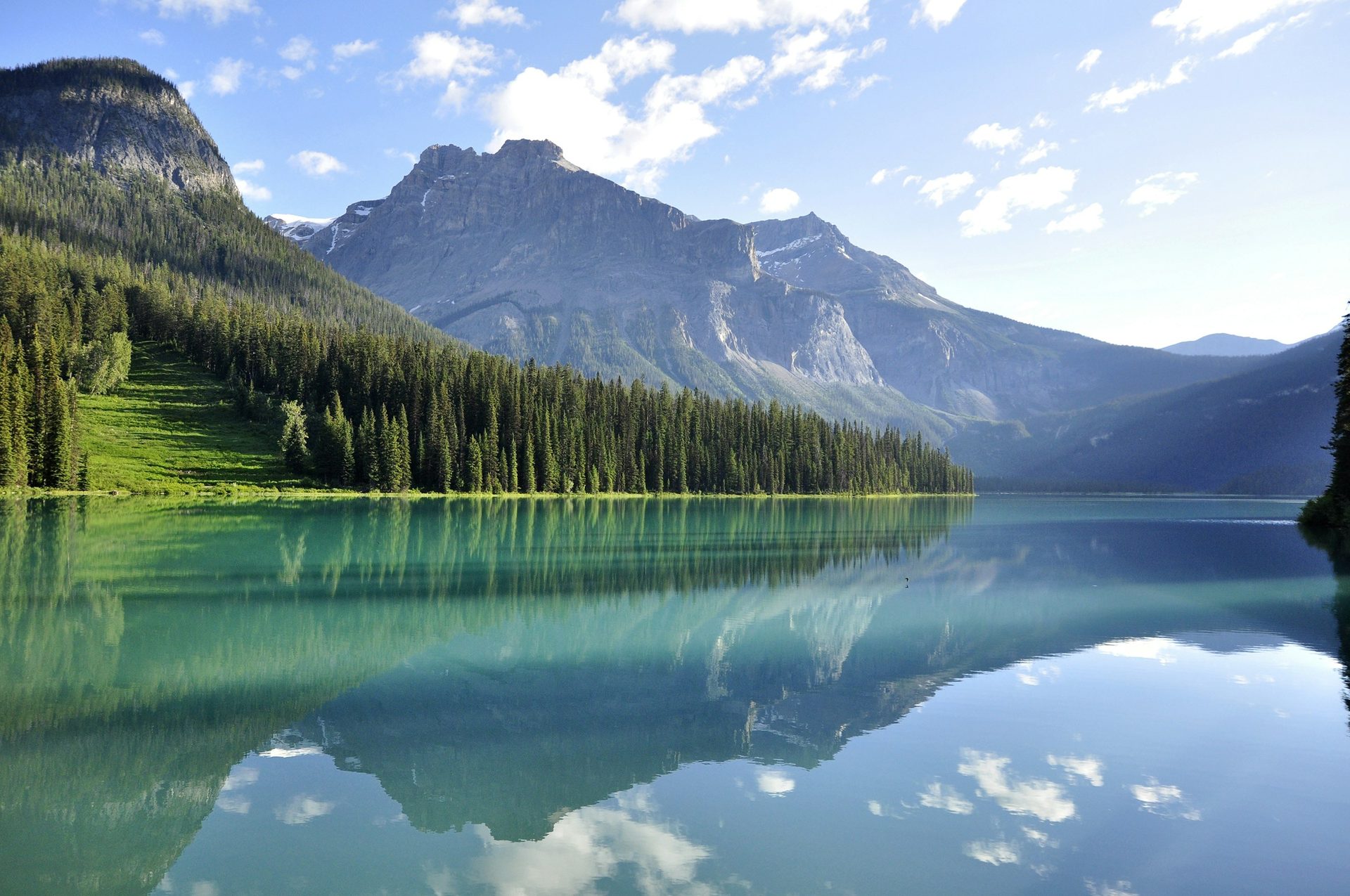
If you came for a mountain lake, go to Emerald Lake. There’s no lottery, and you can drive directly to the public parking area. Yoho sits just across the provincial border from Banff, so adding an extra day is an easy way to include the park alongside my three-day Banff itinerary.
Frequently Asked Questions
What are the chances of getting a Lake O’Hara bus seat?
Parks Canada doesn’t publish the odds, and some travellers apply for several years before they’re selected. Treat the draw as a possibility rather than the centrepiece of your trip, and have a backup day you’ll be happy with.
Can I walk to Lake O’Hara and still hike when I get there?
Yes, but it makes for a long day. Allow two to three hours to walk up the access road and the same amount of time to return, plus however long you need for your chosen trail at the lake. Start early and be honest about your fitness. Much of the approach is through forest, and you’ll have to cover all 11 kilometres again after your alpine hike.
Which trail should I choose if I’m already tired?
Walk the Lake O’Hara Shoreline Trail. It stays close to the lake and doesn’t add a major climb, which matters when you still have the access road ahead of you. If you walked in, I’d save Opabin Plateau and Lake McArthur for a future visit with a bus seat.
Can walkers get a seat on the return bus?
Sometimes, but only when there’s an empty seat. Travellers have reported paying around $15 per person in cash, with the chances described as slightly better than fifty-fifty. Empty seats are harder to find during the busy larch season.
This isn’t a guaranteed or officially advertised option, so don’t plan your day around it. Carry everything you need and leave enough energy to walk back.
When is the best time to visit?
July through late September is the most reliable window for hiking. The buses begin running in mid-June—June 19 in 2026—but snow can remain on the higher trails, and alpine routes may still have avalanche hazards into late June. The 2026 season ended on October 4.
If your dates are flexible, aim for July through September. Late September brings the larch colours, along with some of the season’s biggest crowds. Outside the Lake O’Hara season, you can still explore other scenic drives in the area.


Leave a Reply